Recent announcements regarding rule changes in Fantasy Premier League (FPL) for the 2026/27 season have introduced modifications to the Bonus Points System (BPS) that merit attention. The FPL community is buzzing with curiosity and concern about how these changes will reshape strategy and player selection for the next season.
CHANGES TO THE BONUS POINTS SYSTEM
Notable updates include:
| Action | 2025/26 | 2026/27 |
|---|---|---|
| Being tackled | -1 BPS | n/a |
| Every two clearances, blocks, and interceptions | 1 BPS | n/a |
| Every three clearances, blocks, and interceptions | n/a | 1 BPS |
| Save from a shot taken inside the box (GK) | 3 BPS | 3 BPS |
| Save from a shot taken outside the box (GK) | 2 BPS | n/a |
| Any other save (e.g., deflected saves) (GK) | n/a | 2 BPS |
| Saving a ‘big chance’ (GK) | n/a | 1 BPS |
| Saving a penalty (GK) | 8 BPS | 8 BPS (actually 7 but +1 for a ‘big chance saved’) |
The adjustments particularly recalibrate how defensive contributions are valued, a shift that will undoubtedly provoke different tactical approaches. Players who previously benefitted from both tackles and bonus points will find the new system less forgiving, as it no longer allows for simultaneous scoring in these two categories. For dribblers, the removal of BPS penalties for being tackled represents a positive change. They can now focus more on attacking without the looming worry about points penalties. But this will ramp up the pressure on defensive players, particularly center-backs and defensive midfielders, who will need to rack up clearances, blocks, and interceptions to enhance their scores. Failure to do so may severely impact their fantasy value.
On the flip side, goalkeepers seem set to gain the most from these shifts. With new incentives for saving shots—particularly those deemed critical—goalkeepers now have a better chance at accruing points, enhancing their desirability in FPL drafts. The pressure for outfield players, especially defenders, could mean a shift in how teams are constructed fundamentally.
POTENTIAL IMPACT ON FPL 2025/26
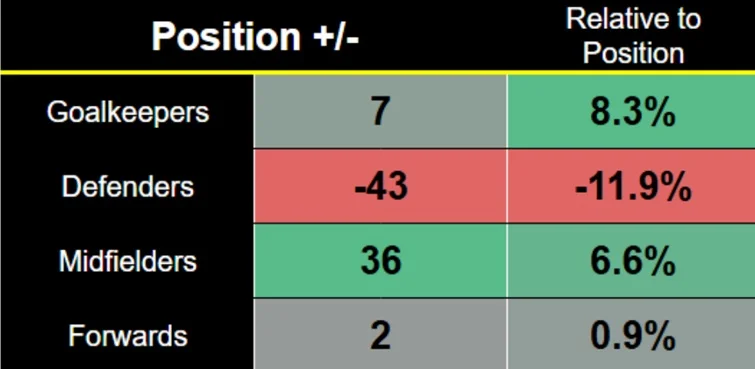
Visualizing these modifications applied to the previous season suggests that bonus points for defenders would noticeably diminish, while those for goalkeepers and attacking midfielders would likely increase. The implications are significant; fantasy managers will need to rethink their strategies, possibly favoring more offensive setups while placing greater emphasis on goalkeeper performance than before. Midfielders who take on defensive roles could find themselves in better positions at the expense of traditional defenders, who are now left scrambling for points.
IDENTIFYING WINNERS AND LOSERS
Several players, particularly those among the most frequently tackled in 2025/26, would see varying impacts from the proposed changes. For example, players like Morgan Rogers (156 tackles), Jarrod Bowen (143), and Antoine Semenyo (137) topped the list. While these players benefited from bonus points due to their contact with defenders, under the new system, their scoring potential will look different. (And this is the part most people overlook.) Rogers’ total bonus points might have remained unchanged, signaling a flaw in the rewards system that doesn't adequately reflect player contributions. Among defenders, Michael Kayode (83) and Hugo Bueno (78) were also among the most tackled, illustrating the increasing pressures on these roles.
Goalkeepers will now garner points for saving ‘big chances,’ a boon that should favor players like Jordan Pickford and Caoimhin Kelleher. Their performance in these moments will become a critical focus for FPL players as they assess potential goalkeeper selections.

Ultimately, the proposed system aims to fundamentally shift how bonus points are accrued. For instance, Gabriel Magalhaes could witness a drop from 30 to 20 points under the new structure, raising questions about his viability in FPL strategies moving forward. Other players like James Tarkowski and Malick Thiaw may similarly see themselves downscored under this new scheme. This could prompt managers to look at less traditionally recognized players for their line-ups, with names like Keane Lewis-Potter and Mohammed Kudus emerging as newfound contenders who might benefit from the updated scoring rules.
IMPLICATIONS FOR FPL STRATEGY AND PLAYER SELECTION
This shake-up in the BPS represents more than just a number change; it calls for a strategic overhaul. If you're working in this space, the implications on team selection could be far-reaching. Managers will need to weigh the newly defined scoring opportunities of goalkeepers and midfielders against the potentially diminished scoring for defenders.
The expected shift in focus might also lead to changes in player valuation within leagues. Clubs may start to favor different types of players who fit the new scoring model. Managers looking to gain a competitive edge must adapt swiftly to ensure they maximize their points. With greater volatility in scoring, consistency might become an elusive target in the upcoming season.
*Thanks to TopMarx for the critical analysis that informed this discussion.